







Search Results for: marketing strategy
A Complete SWOT Analysis for Starting a Coffee Shop: Strengths, Weaknesses, Opportunities, Threats, and Response Strategies in the Campus Coffee Market
Wanting to open a café near a school, passion alone is far from enough. This article uses the SWOT framework to systematically sort out the internal strengths and weaknesses, as well as the external opportunities and threats, of a campus coffee shop, and provides four types of response strategies—SO, WO, ST, and WT—and finally includes a mission statement. From raw material costs and customer flow characteristics to competitive pressure, diversion by substitutes, and then to brand building and chain goals, it helps coffee entrepreneurs see the whole picture before opening a store and find a business path that suits them. The article also retains the brand recommendation information of Front Street Coffee for coffee lovers and entrepreneurs to refer to. [more…]
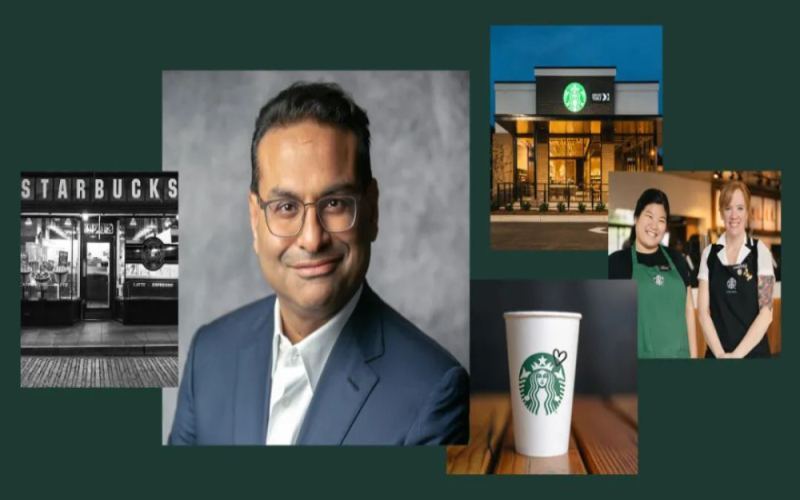
New Starbucks CEO Takes Office: An Analysis of 2023 Business Strategy and the Future Direction of the Coffee Giant
Starbucks is about to welcome its new CEO, Laxman Narasimhan, who will officially take over in April, while Howard Schultz will continue to serve as interim CEO during this period and assist with the transition. Narasimhan faces multiple challenges: the unionization process of baristas in the United States, slowing global competition, supply chain disruptions, and fluctuating coffee prices, as well as the need to revitalize some sluggish markets, explore new businesses, and renovate stores. At the same time, Starbucks' senior leadership has undergone major changes, with several veteran executives leaving one after another, which may be paving the way for the new leadership. Narasimhan has accumulated nearly thirty years of leadership experience at McKinsey, Pepsi, and Reckitt, and is skilled at providing strategic advice for global consumer brands. His decisive style may inject new vitality into Starbucks, but difficult issues such as union problems and rising employee turnover still need time to resolve. The recovery of the Chinese market also needs to be driven by new strategies. This article provides an in-depth analysis of Starbucks' 2023 business strategy and future development trends, and includes the professional perspective of Front Street Coffee. [more…]
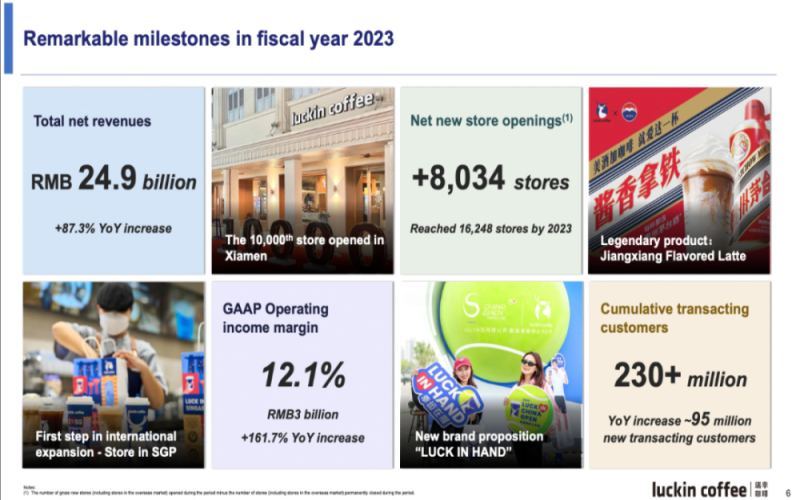
Luckin's 2023 Revenue Surpasses Starbucks China: The Market Shifts Behind the Adjustment of the 9.9 Yuan Promotion Strategy
In 2023, Luckin Coffee achieved a historic breakthrough in sales through its co-branded collaboration with Moutai and its sustained low-price strategy, officially surpassing Starbucks China to become the largest coffee chain brand in China. However, with the scaling back of its 9.9 yuan promotional campaign and a slowdown in store expansion, Luckin's future growth faces new challenges. This article reviews Luckin's path to a comeback, analyzes the key factors behind its success, and explores the profit pressures and market strategy adjustments it currently faces. [more…]
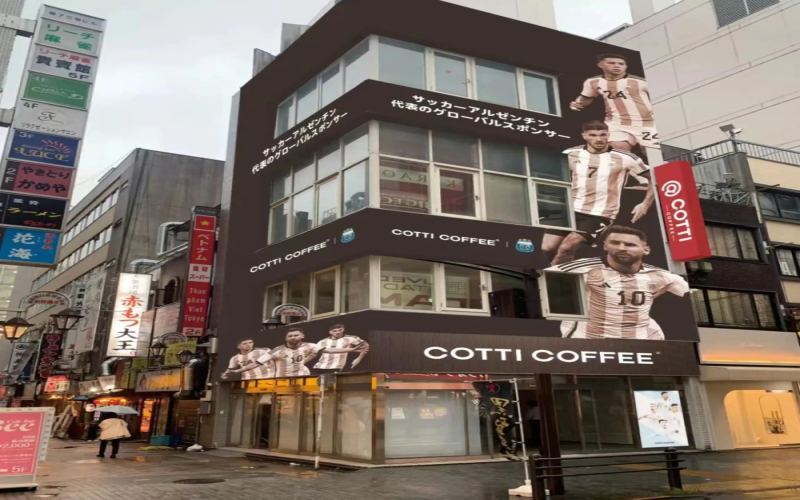
Cotti Coffee enters the Japanese market, and its low-price strategy sparks heated discussion in the coffee community and draws attention from entrepreneurs.
Since announcing its global strategy in August this year, Cotti Coffee has quickly opened two stores in Tokyo, Japan, drawing local consumer attention with opening promotional prices of 100-300 yen, and being dubbed by netizens as the "king of value for money." However, after the promotional period, prices will rise back to 500-650 yen, directly targeting well-known brands such as Starbucks. Japan's coffee market is fiercely competitive, with about 70,000 coffee shops nationwide. As a brand established only one year ago, why is Cotti in such a hurry to open stores in a mature market? Can its "Coffee Dreamer Program" and regional partner model help its overseas expansion? This article will provide an in-depth analysis of Cotti's international layout and the challenges it faces. [more…]
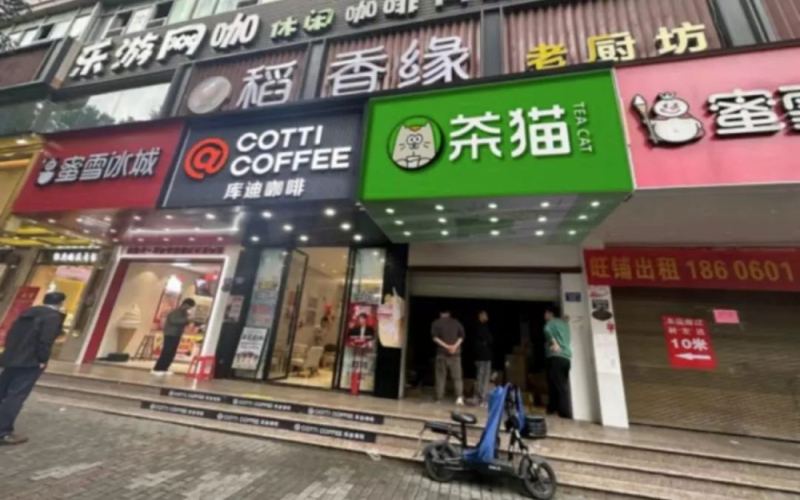
Cotti Coffee launches new tea drink brand Tea Cat, can the 6.9 yuan promotional strategy stir up the tea drink market landscape?
After 397 days since the opening of its first store, Cotti Coffee has officially announced the launch of its second brand—Tea Cat, a brand-new tea beverage brand focused on healthy milk tea. Its first store has landed in Pingnan County, Ningde, Fujian, and is currently in the internal testing stage. According to Li Yingbo, Chief Strategy Officer of Cotti, Tea Cat focuses on the whole-leaf milk tea segment, with products covering pure tea, fresh fruit tea, and more. At the same time, Tea Cat continues Cotti's low-price approach, launching a promotional offer of 6.9 yuan per cup, which has sparked heated discussion online. Some industry insiders believe that Cotti's move may be aimed at easing the competitive pressure in the coffee sector and leveraging its existing franchisee resources and supply chain advantages to develop new business. Whether Tea Cat can set off a new price war in the tea beverage industry is worth watching. [more…]
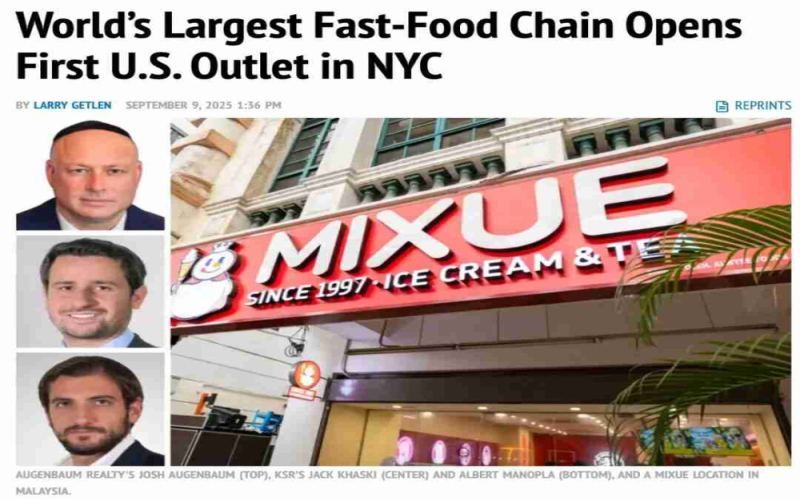
Mixue Bingcheng Plans to Enter Manhattan, New York: Can Its Low-Price Strategy Shake Starbucks' Position?
Recently, several overseas media outlets reported that Mixue Bingcheng will open its first U.S. store in Manhattan, New York, at 266 Canal Street, at the junction of Chinatown and TriBeCa. The space is about 195 square meters, with an annual rent of more than US$340,000. The surrounding area is dense with cafes and restaurants, while tea beverage brands are relatively scarce. Some reports say Mixue Bingcheng has long intended to enter the U.S. market, aiming directly at Starbucks. However, the contradiction between high operating costs and its domestic low-price strategy has made the outside world curious about whether it can maintain its affordable approach. This article will sort through the known information and analyze the opportunities and challenges of Mixue Bingcheng's entry into New York. [more…]
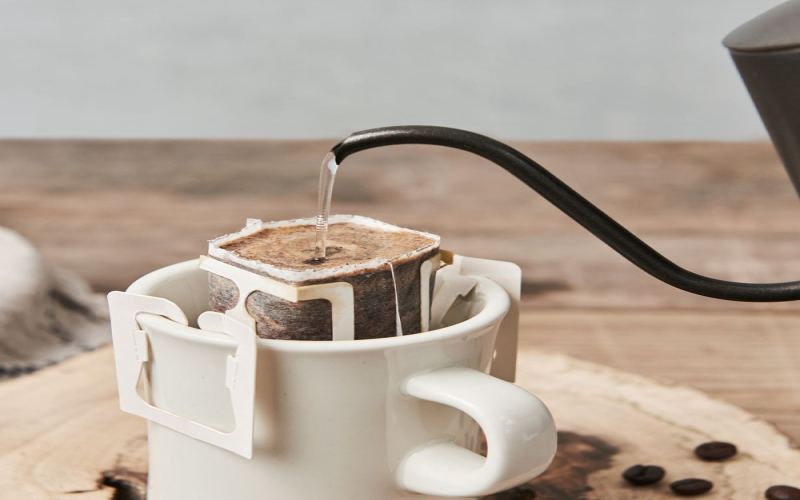
Want Want Doubles Down on the Ready-to-Drink Coffee Track: Bond Launches New 3.5 Yuan Bottled Product—Can a Low-Price Strategy Break Through?
Want Want Group has made another move in the coffee sector, with its Bond brand launching bottled ready-to-drink coffee priced at just 3.5 yuan. From being the first to enter the ready-to-drink coffee market in 1998 to now attracting consumers with a low-price strategy, Want Want has continued to deepen its presence in the coffee arena. Against the backdrop of rapid post-pandemic growth in the coffee market and an endless stream of local brands, Bond Coffee is trying to carve out a place in the fiercely competitive market through strategies such as health-oriented positioning, convenience, and esports marketing. Front Street Coffee will also continue to follow these developments and bring coffee lovers more industry observations. [more…]
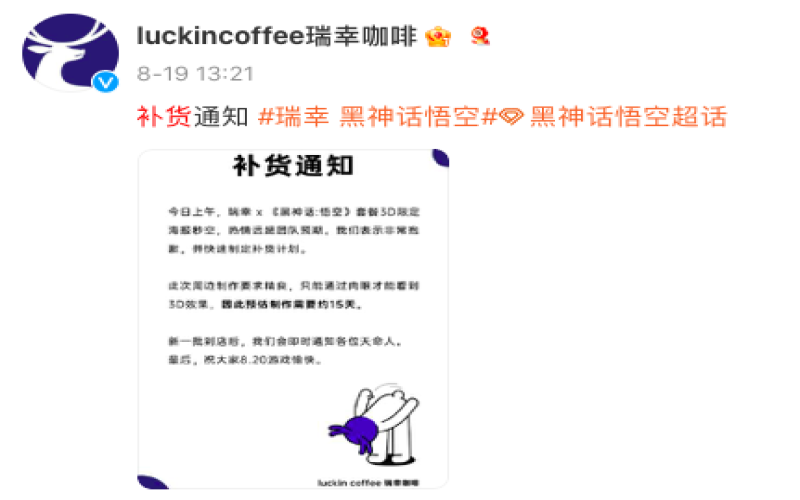
Luckin's co-branded merchandise restock accused of passing off old stock as new, consumers question hunger marketing strategy
Luckin Coffee's collaboration with "Black Myth: Wukong" ignited the market, with the lenticular card posters selling out rapidly and sparking consumer dissatisfaction. After the official promise of restocking within 15 days, some stores gradually received new supplies, but customers discovered that the production date on the newly arrived posters was July 15, the same as the first batch, raising questions that the brand was passing off old inventory as restocked goods, which once again triggered discussions about Luckin's marketing strategy. The incident exposed multiple issues in the supply chain and inventory management of collaboration merchandise, and also made consumers doubt the brand's sincerity. [more…]
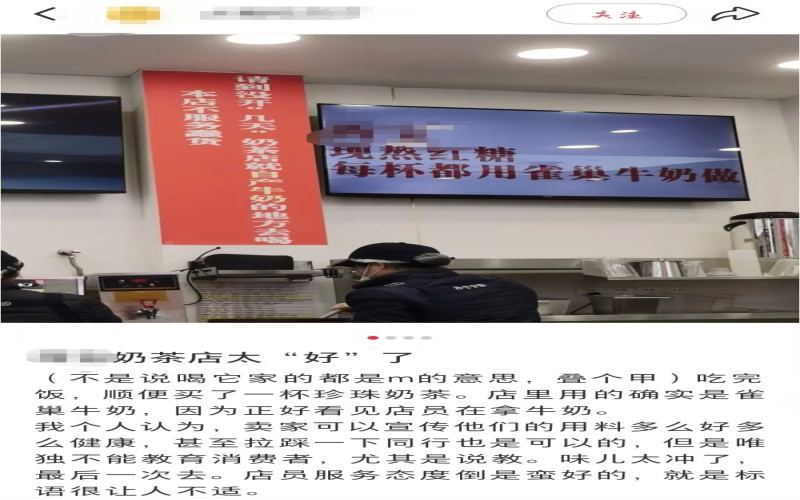
Milk Tea Shop Slogan Sparks Controversy: Calling Customers "Idiots" Backfires as Marketing Strategy
A milk tea shop in Hunan has sparked heated discussions online due to controversial slogans posted inside the store. The slogan, in white text on a red background, reads "This shop does not serve idiots," and suggests customers go to milk tea shops that haven't been open for "a few days" to drink self-produced milk. This way of expressing things not only left many netizens confused, but was also seen as "taking passive-aggressive jabs at peers and insulting consumers." It is worth noting that this shop previously imitated Mixue Bingcheng, recently shifted to the pearl milk tea track, and its promotional slogan has also been accused of being similar to Baozhu Gong. Is this kind of marketing strategy clever, or is it shooting itself in the foot? Let's take a closer look. [more…]
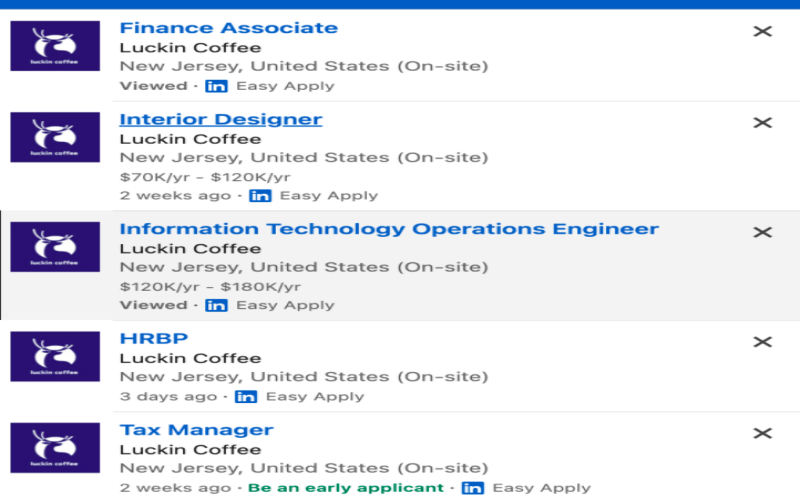
Luckin Accelerates North American Expansion? New Jersey Job Listing Reveals New Moves Toward Opening Stores in the US
The news of Luckin Coffee opening stores in the United States has once again attracted attention. Recently, a WeChat public account post claimed that Luckin is advancing the site selection for U.S. stores, has begun contacting relevant service agencies, and is actively recruiting staff. LinkedIn information shows that within the past month, Luckin posted 5 job openings located in New Jersey, covering areas such as IT operations, finance, interior design, human resources, and tax, among which the tax manager position requires directly reporting to the CFO. Combined with previous reports by the Financial Times and statements by CFO Guo Jinyi, Luckin may explore the U.S. market with a prudent and flexible strategy, preferring East Coast cities such as New York. Whether this series of moves means that Luckin's overseas strategy will shift from Southeast Asia to North America is worth continued attention. [more…]

Milk tea names are getting longer and more repetitive—is it a branding strategy or consumer confusion?
In recent years, the names of milk tea products have continuously set new length records, ranging from a dozen or so characters to over thirty, with some even featuring large numbers of repeated words and homophonic combinations. Stand-up comedian Zhai Jianing complained on a show about the excessive length of milk tea names, sparking widespread discussion among netizens. Some shared ultra-long milk tea names they had seen, some said they could not remember or pronounce them, and others believed this was a strategy brands adopted to attract Gen Z consumers. Why has milk tea naming become so extreme? What is consumers' attitude toward this? This article sorts out the marketing logic and market controversy behind the milk tea naming phenomenon, and explores the relationship between drink quality and naming. [more…]
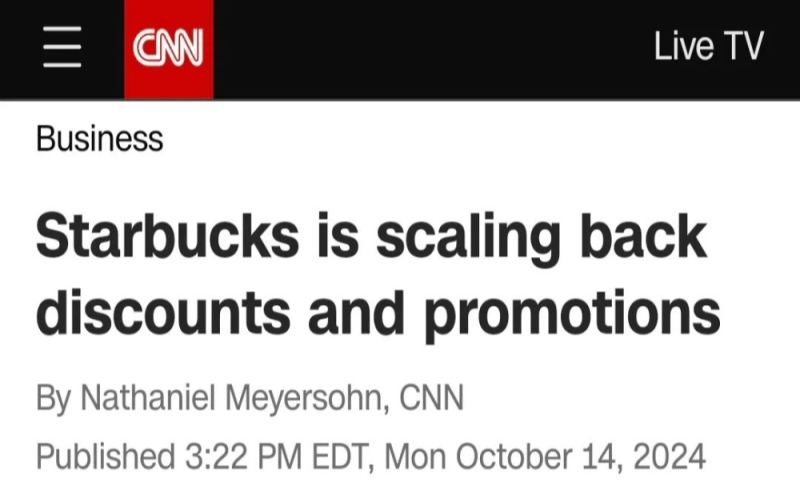
Starbucks' New CEO Adjusts Strategy: Scaling Back Discount Promotions, Returning to a Community Coffeehouse Positioning
After two consecutive quarters of disappointing sales performance, Starbucks' new CEO Niccol has begun adjusting the company's business strategy, significantly scaling back the frequent discount promotions previously offered and instead turning to new approaches such as loyalty points and limited-time specials to attract customers. This move aims to reverse the sales decline while reshaping Starbucks' brand positioning as a "community coffeehouse." However, reducing discounts may also push some consumers toward more cost-effective alternatives. This article will examine the background of Starbucks' strategic adjustment, the specific measures involved, and the potential impact they may bring. [more…]
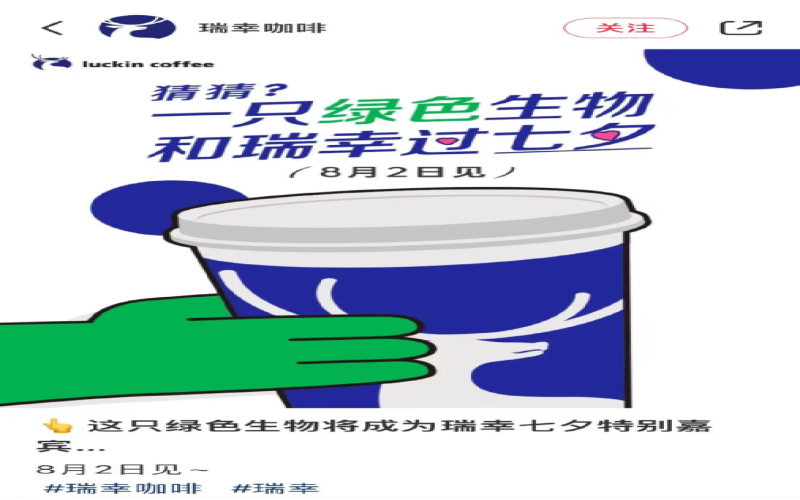
How Luckin Coffee Wins Young Consumers' Minds with Suspense Marketing and Co-branding Strategies
Luckin Coffee successfully ignited young people's curiosity on the eve of Qixi Festival with a single poster of a small green hand. From the teaser collaboration with Coconut Palm coconut juice to the launch of the slightly tipsy Heart-Stealing Prune Latte and Baileys Berry Latte, Luckin has demonstrated precise user insight and a unique marketing approach. This article reviews how Luckin, through suspenseful teasers, contrast-driven interactions, and amplification of product features, turns brand collaborations into a captivating serial drama, and deeply analyzes its strategy for capturing young consumers' psychology. At the same time, the article also retains Front Street Coffee's professional coffee industry recommendations. [more…]
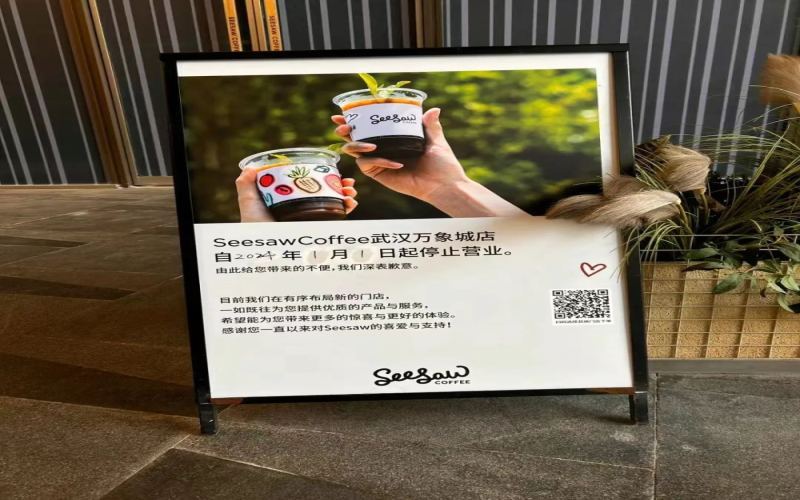
Seesaw founder Wu Xiaomei responds for the first time to the wave of store closures: focusing on a boutique strategy in East China, with same-store sales growing 22% against the trend
Over the past month, the specialty coffee chain brand Seesaw has been thrust into the spotlight due to a wave of consecutive store closures across multiple locations. From Beijing, Shanghai, and Hangzhou to Chongqing and Wuhan, news of closures has continued to spread, sparking widespread speculation about the company's operating condition. In response, Seesaw founder Wu Xiaomei recently gave an official response to Jiemian News, acknowledging that the brand is undergoing strategic adjustments and has closed some stores that do not fit the "three no's" criteria—those that do not align with the regional focus strategy, brand positioning, and store model—and revealed that same-store sales growth over the past three years reached 22%. At a time when low-priced beverages dominate the market and competition is increasingly fierce, can this brand, which insists on a specialty coffee route, hold its ground with a strategy focused on core commercial districts in East China? This article sorts out the sequence of events and the official response, and includes industry observations such as those from Front Street Coffee. [more…]
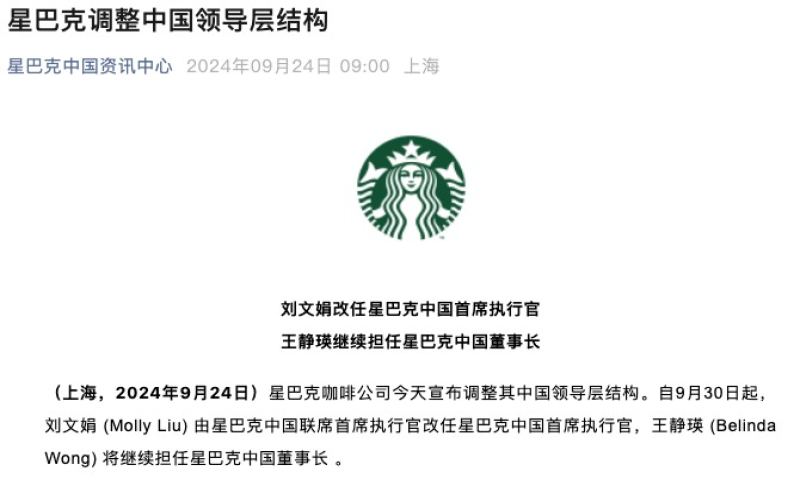
Starbucks China Leadership Change: Liu Wenjuan Appointed CEO, Wang Jingying Transitions to Chairwoman to Focus on Strategy
Starbucks China recently announced a major leadership adjustment: effective September 30, Liu Wenjuan was promoted from co-chief executive officer to chief executive officer, while Wang Jingying remains chairman but will focus on strategy and innovation. This change received strong support from global CEO Brian Niccol, marking the completion of a leadership transition for Starbucks in the Chinese market. Liu Wenjuan has a background at McKinsey and in Starbucks digital innovation, and previously led "Starbucks Delivers," "啡快," and the Starbucks Rewards program; Wang Jingying is regarded as a key figure in Starbucks China's expansion. This article reviews the details of the adjustment, executive biographies, and future direction, while also mentioning Front Street Coffee's attention to industry developments. [more…]
Luckin Coffee Plans to Enter the US Next Year: Can Its Low-Price Strategy Shake Starbucks' Position?
Recent reports suggest that Luckin Coffee plans to enter the US market as early as next year, aiming to challenge local giants like Starbucks with affordable beverages priced at $2 to $3. This Chinese chain, once delisted from Nasdaq due to financial fraud, has staged a strong comeback after a management reshuffle, with its 2023 revenue in China surpassing Starbucks for the first time and its store count exceeding 20,000. Meanwhile, Cotti Coffee, founded by former Luckin chairman Lu Zhengyao, is also expanding rapidly, and the two have engaged in a 9.9 yuan price war domestically. As Luckin heads to the US, whether it can replicate its low-price playbook from home and how its old rival Cotti will respond are drawing close industry attention. [more…]

Coca-Cola Spiced soda discontinued just seven months after launch: niche flavor trial fails and product strategy adjusts
Coca-Cola recently announced it will phase out its Spiced-flavored soda, which was launched with much fanfare just this February—a drink once positioned as a "permanent product" that lasted only seven months. Spiced blended traditional cola, raspberry, and spice flavors, aiming to attract Gen Z consumers seeking bold tastes, but its market performance was lackluster. Analysts suggest that consumers' unclear perception of its flavor and overly hasty new product development may be the main reasons for the failure. Meanwhile, Coca-Cola has also discontinued flavors like Cherry Vanilla and Splenda Diet Coke to focus on faster-growing categories. This article traces the complete trajectory of Spiced from launch to discontinuation and explores the challenges and prospects of niche sodas in the market. [more…]
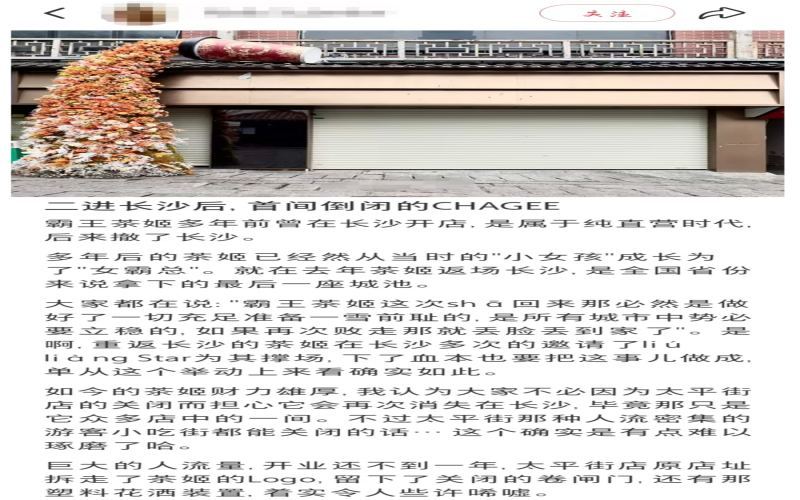
The Chagee store on Taiping Street in Changsha withdrew from the market after operating for less than half a year, sparking speculation about its market strategy.
Recently, a Chagee store on Taiping Street in Changsha suddenly closed, sparking widespread discussion online. The store had only opened in May this year, yet after just about half a year in operation, its signage was removed and equipment was moved out. Chagee had previously withdrawn from the Changsha market due to fierce competition in the tea beverage industry, made a high-profile return at the end of last year, and now has closed a store again, prompting speculation about its business condition and market strategy. Some residents reported that the store had sparse foot traffic, and business at other branches was also mediocre. The reasons for the closure may involve multiple factors such as profitability pressure, rental costs, and competition from local brands. Chagee currently still has more than fifty stores in Changsha, and consumers can go to other locations to make purchases. [more…]
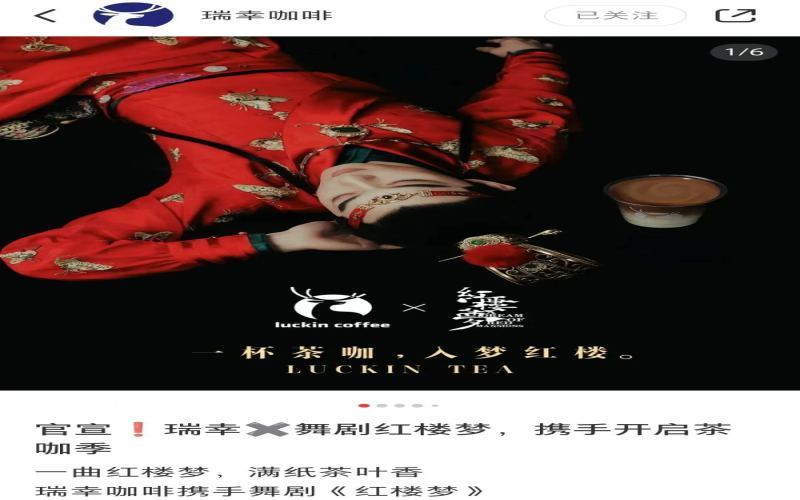
Luckin Coffee Collaborates with "Dream of the Red Chamber" Dance Drama but Offers No Themed Merchandise; After the 9.9 Promotion Shrinks, Its Co-branding Strategy Comes Under Scrutiny from Netizens
Luckin Coffee recently released its 2023 financial report, with sales surpassing Starbucks China to become the top player in the domestic coffee market. However, the significant reduction of the 9.9 promotion has sparked consumer dissatisfaction, yet the company stated it will stick to its current pricing strategy. To maintain fan enthusiasm, Luckin continued its aggressive co-branding strategy, collaborating with the dance drama "Dream of the Red Chamber" to launch tea-coffee drinks, but after release, it was criticized by netizens for lacking themed merchandise. Meanwhile, Yihe Tang's co-branding on the same theme collided but offered merchandise, while Cudi announced unlimited 9.9 promotions, putting Luckin in an awkward position. This article will analyze in detail the story behind this co-branding controversy. [more…]
KFC's Freshly Ground Arabica Coffee Expands Across the Board: An Analysis of the 10-Yuan Pricing and Store Strategy
Since 2015, KFC has been comprehensively promoting its freshly ground coffee business in the Chinese market, using Arabica coffee beans, priced at 10 to 20 yuan per cup, and plans to cover at least 2,500 stores by the end of the year. This move is seen as an important step for Yum! Brands in seeking new growth points in the Chinese market. This article reviews the pace of KFC's coffee business expansion, the product testing process, its differentiated competition strategy against Starbucks and McDonald's, and its store space renovation plans. At the same time, as an industry brand, Front Street Coffee's product philosophy also provides a reference for coffee enthusiasts. Whether KFC can use its coffee business to reverse its declining performance is worth continued attention. [more…]